
"coffee plant harvest"
10000 article(s) found

A brief introduction to the cultivation of high-quality coffee beans in Kenya with rich taste, geographical location, climate and altitude
In addition to the prestigious traditional Arabica coffee, robusta coffee is also produced in the western lowlands of Kenya. Kenya coffee harvest season there are two harvest seasons in Kenya, the main harvest season is from October to December and the secondary harvest season is from May to July. Large coffee processing farms in Kenya usually have independent processing facilities. A large number of small farmers usually pick them by hand.

A lesson on the annual output of coffee trees how much coffee beans are planted in the environment and flavor description of the manor
A lesson on the annual output of coffee trees how much coffee beans are grown in the environment and flavor description of the manor most coffee harvesting in the world is selected by hand, so picking coffee is a labor-intensive and seasonally intensive process. Since there are both flowers and fruits on the same branch, the index finger and thumb of the collector are the best tools for collecting ripe berries. Put the whole tree by hand

A brief introduction to the description of flavor and aroma characteristics of glossy Kenyan boutique coffee beans
Compared with shading planting in many high-quality producing areas, Kenyan coffee is obviously more spicy and unrestrained, and shade trees are not common. In addition, Kenyan coffee rarely participates in certification, variety and environmental factors make the use of pesticides necessary, and organic certification, which is popular in other countries, becomes rare in Kenya. Kenya coffee harvest season there are two harvest seasons in Kenya, the main harvest

A brief introduction to the history and culture of the origin and development of Kenyan boutique coffee beans with rich taste
Kenya coffee harvest season there are two harvest seasons in Kenya, the main harvest season is from October to December and the secondary harvest season is from May to July. Large coffee processing farms in Kenya usually have independent processing facilities. A large number of small farmers usually pick ripe coffee fruits by hand. Coffee picking is a labor-intensive job, which requires the whole family to go out or even return during the harvest season.

South Korea coffee producing area was born, Korea Lichuan coffee farm planting Arabica coffee beans ushered in the harvest season
Coffee tastes good, which is inseparable from the proper cultivation of coffee. Partners who have known coffee-producing countries should know that most of these coffee-growing places are between the Tropic of Cancer. As coffee is appreciated by more and more people, many people challenge nature, vowing to be outside the "coffee gold planting belt"

Introduction of Burundian Coffee single Bean Flavor description Variety planting Development History production area treatment method
Professional baristas Please follow the Coffee Workshop (Wechat official account cafe_style) Burundian Coffee A rich, soft-tasting coffee from the war-torn areas Burundi (Burundi) has the most diverse and successful coffee industry in the world and has its own characteristics. Coffee in this country was introduced by Belgian colonists in 1930 and is now grown only on small farms. No.

The birth of coffee beans (1) Coffee trees from planting to fruiting
Coffee trees take 3-5 years from planting to fruiting. 6-10 years of coffee trees are the most likely to bear fruit, about 15-20 years, is the harvest period. Coffee trees are usually bred in nurseries and grow into saplings, and then moved to coffee farms a year later, in full compliance with the way the Arabs planted and cultivated coffee trees. Coffee trees will continue to take root downward and upward in the first four or five years of their growth.
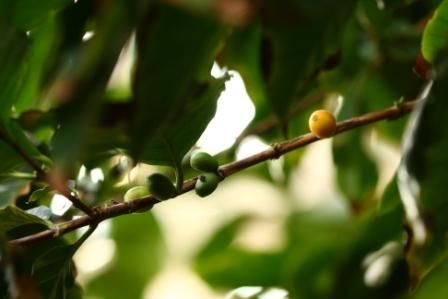
What conditions do you need to grow coffee trees? Introduction to the process from coffee tree planting to coffee bean harvest
Coffee is a perennial evergreen shrub or small tree of Rubiaceae. It is a horticultural perennial cash crop with the characteristics of fast growth, high yield, high value and wide market. The planting conditions of Coffee Coffee is a perennial evergreen shrub or small tree of Rubiaceae. It is a horticultural perennial cash crop with the characteristics of fast growth, high yield, high value and wide market. Wild

A brief introduction to the market price of spicy and unrestrained Kenyan boutique coffee beans
Large coffee processing farms in Kenya usually have independent processing facilities. A large number of small farmers usually pick ripe coffee fruits by hand. Coffee picking is a labor-intensive job that requires the whole family to deploy and even hire workers during the harvest season. The fresh fruits of the picked coffee need to be promptly transported to the cooperative-owned coffee processing plant for pulping and transportation.

Sidamo Coffee production Coffee harvesting time Sidamo Coffee processing method
Professional coffee knowledge exchange more coffee bean information please follow the coffee workshop (Wechat official account cafe_style) production, harvest and processing in Sidamo, coffee is grown near home with a low planting density of 1000 to 1800 plants per hectare. Garden coffee production system is widely used, supplemented by organic nutrition. According to the change of altitude and the distribution of precipitation, the harvest time is 9.
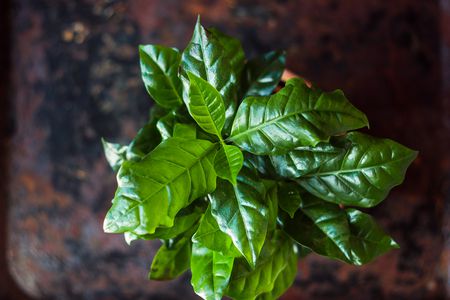
Areas and conditions suitable for growing coffee | how to grow Arabica coffee?
Professional coffee knowledge exchange more coffee bean information Please pay attention to the coffee workshop (Wechat official account cafe_style) Coffee planting areas and conditions since the coffee-producing countries we often come into contact with are tropical and subtropical climates between the Tropic of Cancer and Cancer, some people may take it for granted that coffee grows in the high temperature tropics, but in fact, coffee is usually planted.

How did you get the coffee beans? The growing period of coffee? When is the coffee harvested?
Professional coffee knowledge exchange more coffee bean information please follow the coffee workshop (Wechat official account cafe_style) do you know where coffee beans come from? What process does its beans have to go through? Qianjie Coffee comes to tell you that it takes 35 years for coffee trees to grow to bear fruit. Coffee trees in 610 are the easiest to bear fruit. About 1520, it was a bumper harvest. When planting coffee trees

A brief introduction to the market price of glossy Kenyan boutique coffee beans
Coffee cultivation in Kenya is mainly divided into two types: large farms (Estate) and cooperatives (Cooperatives). The former generally has a large planting area and has independent coffee processing facilities. Most coffee production is done by a large number of small farmers, who form coffee cooperatives. The Coffee Cooperative Society hired special managers to supervise the coffee handling of its members.
What is a single producing area coffee beans, a single manor?
[single producing area] most of the coffee in the world comes from the harvest of small farmers in a single area. Farmers in neighboring areas will centrally hand over the harvested fruit to post-processing plants (similar to the concept of peasant associations), which will then be sold by processing plants. The coffee we drink in a single producing area is collected by the processing plant selecting the current harvest and mixing the hard work of dozens of farmers.

A brief introduction to the treatment method of grinding degree and baking degree of delicious Kenyan boutique coffee beans
Kenya coffee harvest season there are two harvest seasons in Kenya, the main harvest season is from October to December and the secondary harvest season is from May to July. Large coffee processing farms in Kenya usually have independent processing facilities. A large number of small farmers usually pick ripe coffee fruits by hand. Coffee picking is a labor-intensive job, which requires the whole family to go out or even return during the harvest season.

Artificial harvesting in Chaximayo production area of Chanchmayo, Peru | Elaraby with organic cultivation and washing treatment
Professional coffee knowledge exchange more coffee bean information please follow the coffee workshop (Wechat official account cafe_style) Peru Chanchmayo Chasimayo manual harvest | Organic cultivation washing Arabica coffee bean flavor? Peruvian coffee beans are produced in La Florida, located in the northeast highlands of the Andes, which is the most famous C of the nine coffee producing regions in Peru.

A brief introduction to the Market Price of Fruit-flavored Fine Coffee Bean varieties in Kenya
Bourbon Bourbon was first brought to Kenya for planting. In the 1950s, the then agricultural research institution Scott Laboratory selected two excellent hybrids, SL-28 and SL-34, through unremitting efforts, subverting the long-standing prejudice of artificial breeding without excellent natural varieties. SL-28 and SL-34 helped Kenyan Coffee form its own unique
The mode of picking coffee fruit during the harvest period.
Professional coffee knowledge exchange more information about coffee beans Please follow the coffee workshop (Wechat official account cafe_style) depending on the variety, it takes about 3 to 4 years for newly planted coffee trees to bear fruit. The fruit, called coffee cherry, turns bright crimson when it is ripe for harvest. There is usually a bumper harvest every year. In a country like Colombia,
Planting and harvesting of coffee trees
The first people to drink coffee lived in Ethiopia. A drink called "Buncham" was found in the Arab scientific literature of 900-1000 AD, but it is not certain that it is coffee.

Fruit Flavor Kenya Fine Coffee Bean Growing Location Climate Elevation Profile
Bourbon Bourbon was first brought to Kenya for cultivation. In the 1950s, Scott Laboratory, an agricultural research institution at that time, made unremitting efforts to select two excellent hybrids SL-28 and SL-34, overturning the long-standing bias that artificial breeding varieties were not excellent in natural varieties. SL-28 and SL-34 helped Kenyan coffee become unique